
I've Studied Sleep for 24 Years. The Morning Fog Women Blame on Age Isn't Age at All — It's a
3 a.m. Wake-Up They Don't Even Remember.
3 a.m. Wake-Up They Don't Even Remember.
After 24 years studying sleep, I kept seeing the same thing: sharp women over 40, getting their hours, still waking up a step behind. Below are the 5 reasons it happens — and the formula I now keep on hand for the patients it was stealing the most from.
REASON
01
You don't have a sleep problem. You have a staying-down problem.
Here's the part that surprised my patients the most.
They weren't lying awake for hours. They got their seven hours. They'd have told you they slept fine.
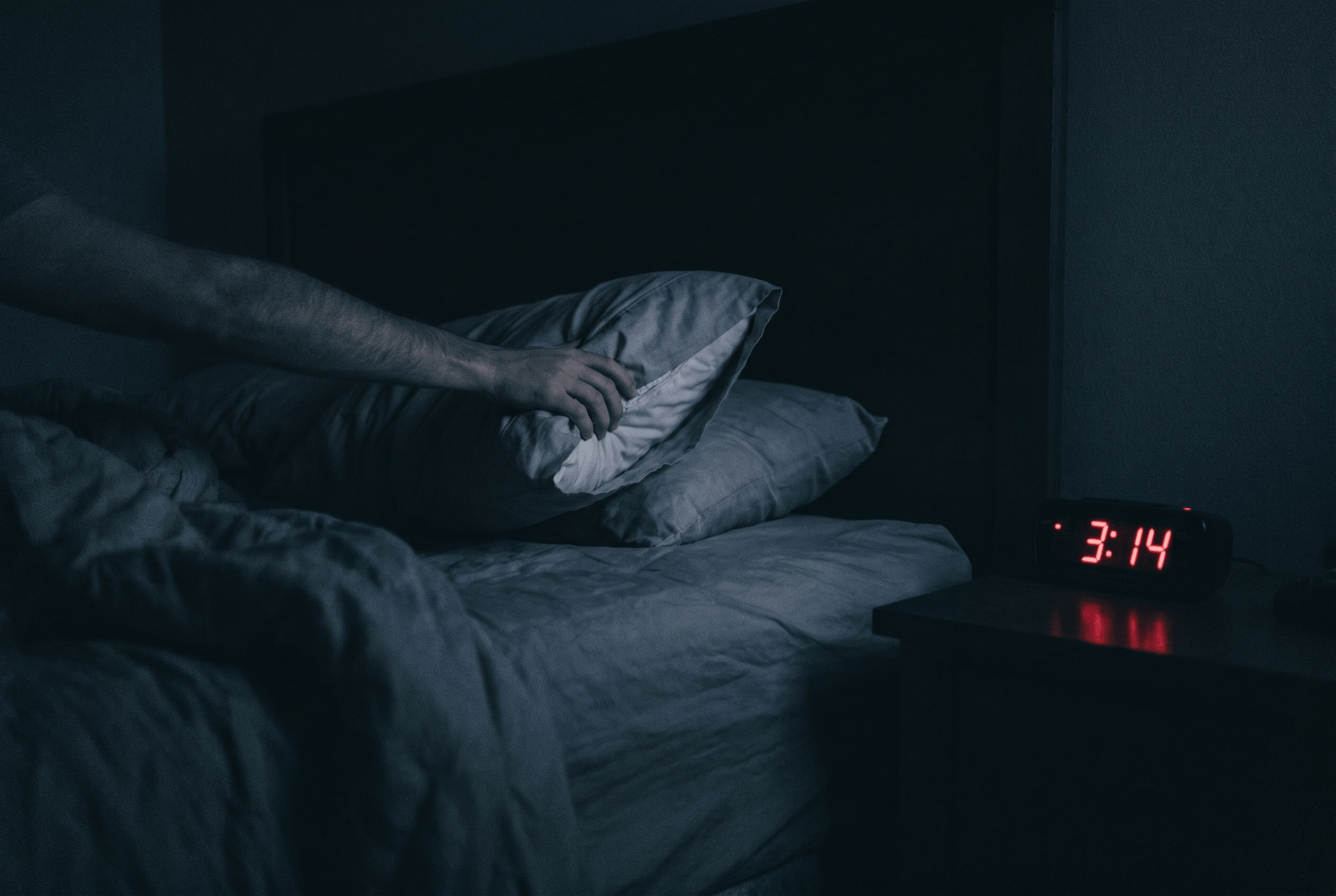
But almost every one of them was surfacing around 3 a.m. A trip to the bathroom. A flip of the pillow. A glance at the clock. Down again in twenty minutes.
Nobody counts that as waking up. Not the patient. Not her old doctor.
But her brain counts every single one. And that little surfacing — the one too small to remember — turned out to be the whole problem.
They weren't lying awake for hours. They got their seven hours. They'd have told you they slept fine.
But almost every one of them was surfacing around 3 a.m. A trip to the bathroom. A flip of the pillow. A glance at the clock. Down again in twenty minutes.
Nobody counts that as waking up. Not the patient. Not her old doctor.
But her brain counts every single one. And that little surfacing — the one too small to remember — turned out to be the whole problem.

REASON
02
Your brain cleans itself at night. A broken night leaves the job half finished.
This is the discovery that changed how I treat the fog.
Your brain doesn't only rest at night. In deep sleep, it rinses itself.
About once every 50 seconds, a slow pulse moves through the brain tissue, pushing fluid through to clear out the waste that builds up all day just from thinking, learning, and remembering.
A team at the University of Rochester mapped it and published it in the journal Cell. It's recent — most doctors haven't caught up to it yet.
And here's the one line that matters: that rinse only runs when your sleep is deep and unbroken.
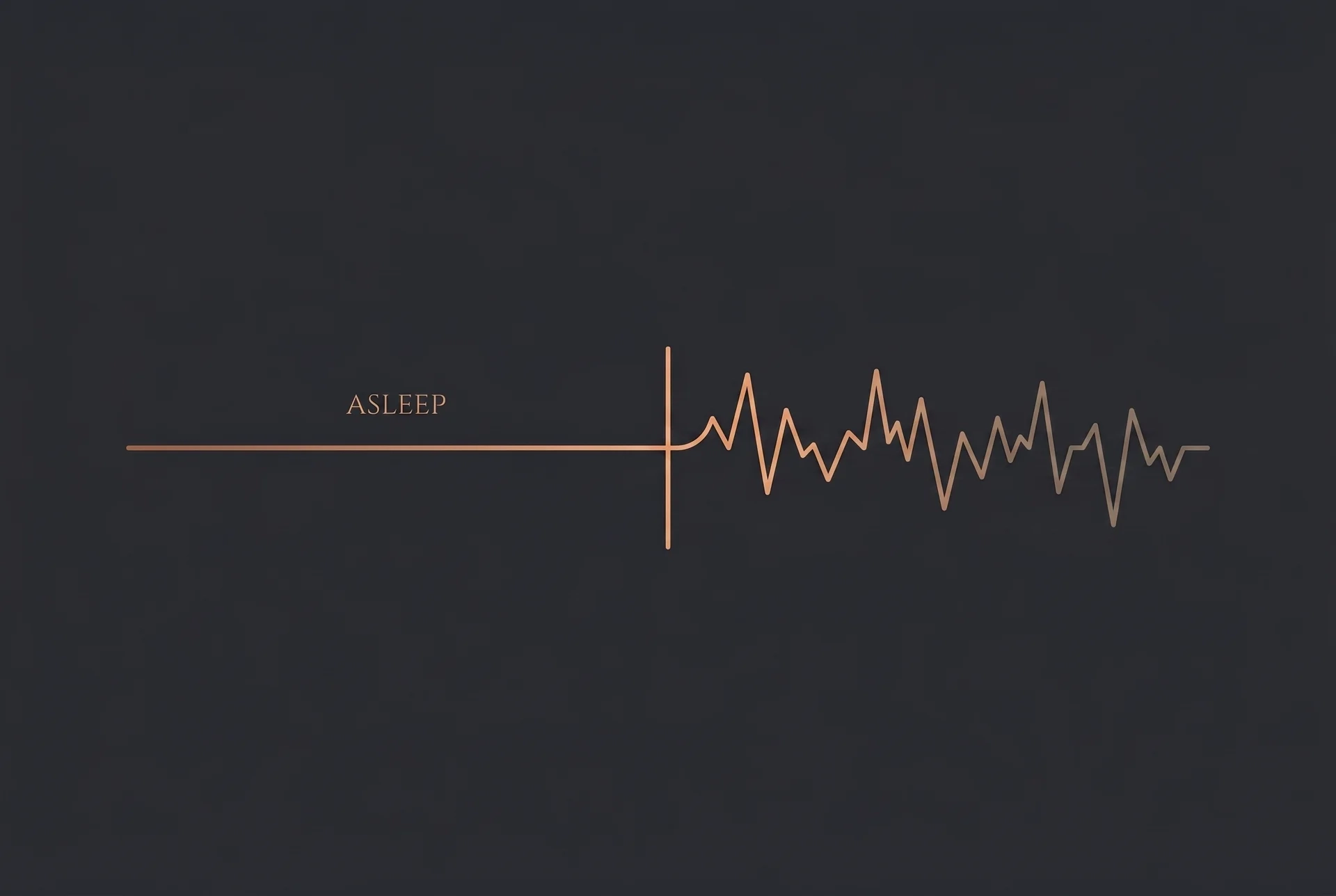
Every time you surface at 3, it stops mid-pulse and starts over from the beginning. Most nights, it never reaches the end. The waste it was supposed to carry out is still sitting there when your alarm goes off.
That's the fog. Not your age. Last night's cleaning, left unfinished. I started calling it exactly that — the Unfinished Rinse.
Your brain doesn't only rest at night. In deep sleep, it rinses itself.
About once every 50 seconds, a slow pulse moves through the brain tissue, pushing fluid through to clear out the waste that builds up all day just from thinking, learning, and remembering.
A team at the University of Rochester mapped it and published it in the journal Cell. It's recent — most doctors haven't caught up to it yet.
And here's the one line that matters: that rinse only runs when your sleep is deep and unbroken.
Every time you surface at 3, it stops mid-pulse and starts over from the beginning. Most nights, it never reaches the end. The waste it was supposed to carry out is still sitting there when your alarm goes off.
That's the fog. Not your age. Last night's cleaning, left unfinished. I started calling it exactly that — the Unfinished Rinse.
REASON
03
After 40, the chemistry that kept you down quietly steps back.
So why now? You slept through the night for decades.
Because after 40, two things shift at once.
Those little 3 a.m. wake-ups don't get rarer — they get more frequent. And the calming chemistry that used to hold your body flat through the night starts to step back.
There's also an early-morning rise in cortisol — your body's main stress hormone. When it climbs too early, it can pull you up around 3 a.m., awake and alert before you're ready to be.
Put those together and the rinse keeps starting and stopping all night. You're not doing anything wrong. The chemistry that used to protect the second half of your night just isn't showing up the way it used to.
You're not a bad sleeper. You're under-resourced. After 40, the chemistry that kept you down quietly steps back.
Because after 40, two things shift at once.
Those little 3 a.m. wake-ups don't get rarer — they get more frequent. And the calming chemistry that used to hold your body flat through the night starts to step back.
There's also an early-morning rise in cortisol — your body's main stress hormone. When it climbs too early, it can pull you up around 3 a.m., awake and alert before you're ready to be.
Put those together and the rinse keeps starting and stopping all night. You're not doing anything wrong. The chemistry that used to protect the second half of your night just isn't showing up the way it used to.
You're not a bad sleeper. You're under-resourced. After 40, the chemistry that kept you down quietly steps back.
REASON
04
The pills you tried were built for the wrong half of the night.
Most of my patients had already tried to fix it. Here's why none of it held.
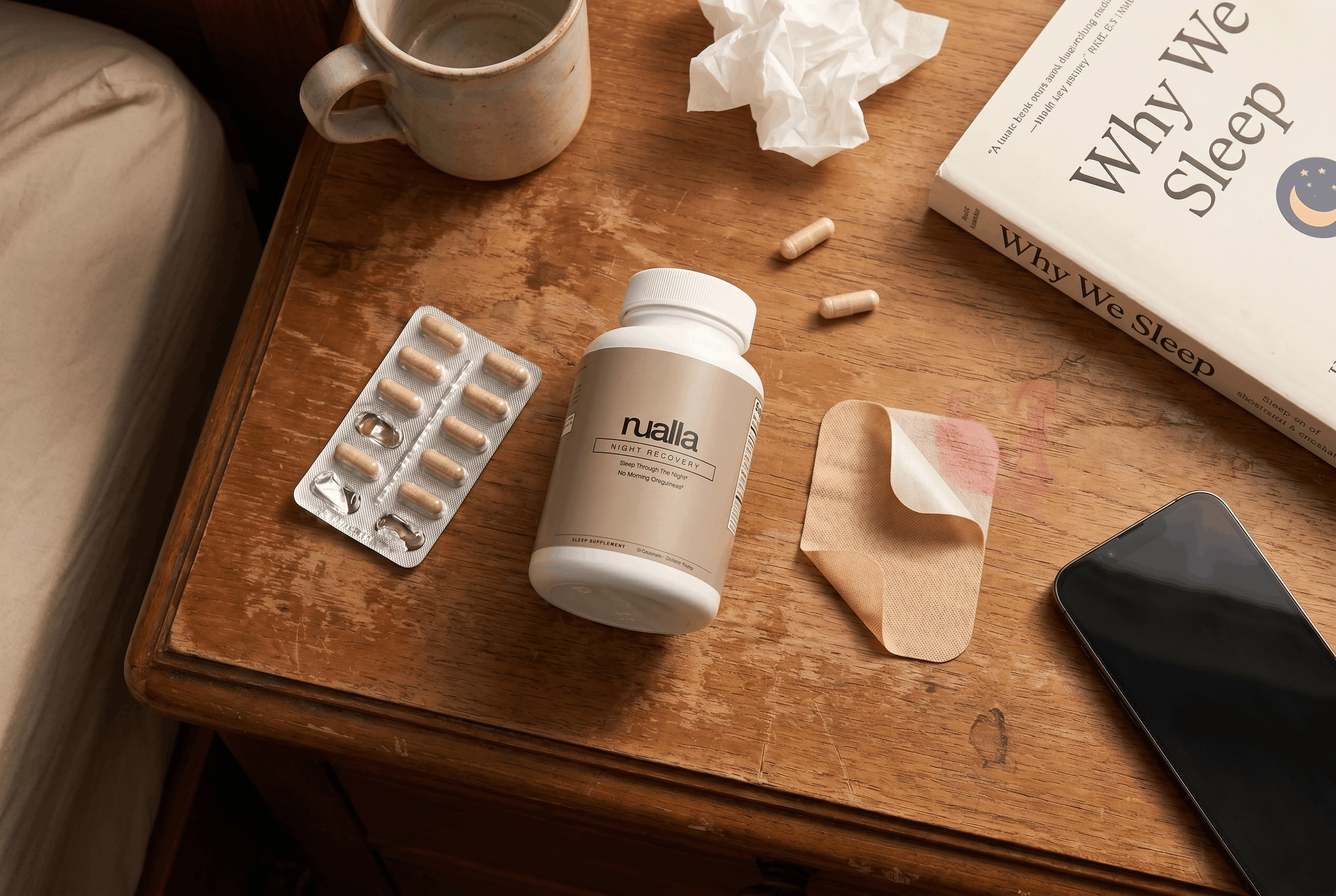
Melatonin got them down faster — then left them up at 3 anyway, and foggier the next morning. It's built for falling asleep, the first half of the night. Their first half was never broken.
The prescription a friend swore by? That same Rochester study found the common one cut the brain's cleaning by about a third. It knocks you out — but out cold isn't washing. The people forcing sleep were finishing the least.
The patches sat on the skin and hoped a little soaked through. A red welt, and the same 3 a.m. surfacing.
None of it failed because they failed. It failed because not one of them was built for the half of the night that was actually broken — the 3-to-5 a.m. stretch where the rinse keeps getting cut short.
Melatonin got them down faster — then left them up at 3 anyway, and foggier the next morning. It's built for falling asleep, the first half of the night. Their first half was never broken.
The prescription a friend swore by? That same Rochester study found the common one cut the brain's cleaning by about a third. It knocks you out — but out cold isn't washing. The people forcing sleep were finishing the least.
The patches sat on the skin and hoped a little soaked through. A red welt, and the same 3 a.m. surfacing.
None of it failed because they failed. It failed because not one of them was built for the half of the night that was actually broken — the 3-to-5 a.m. stretch where the rinse keeps getting cut short.
REASON
05
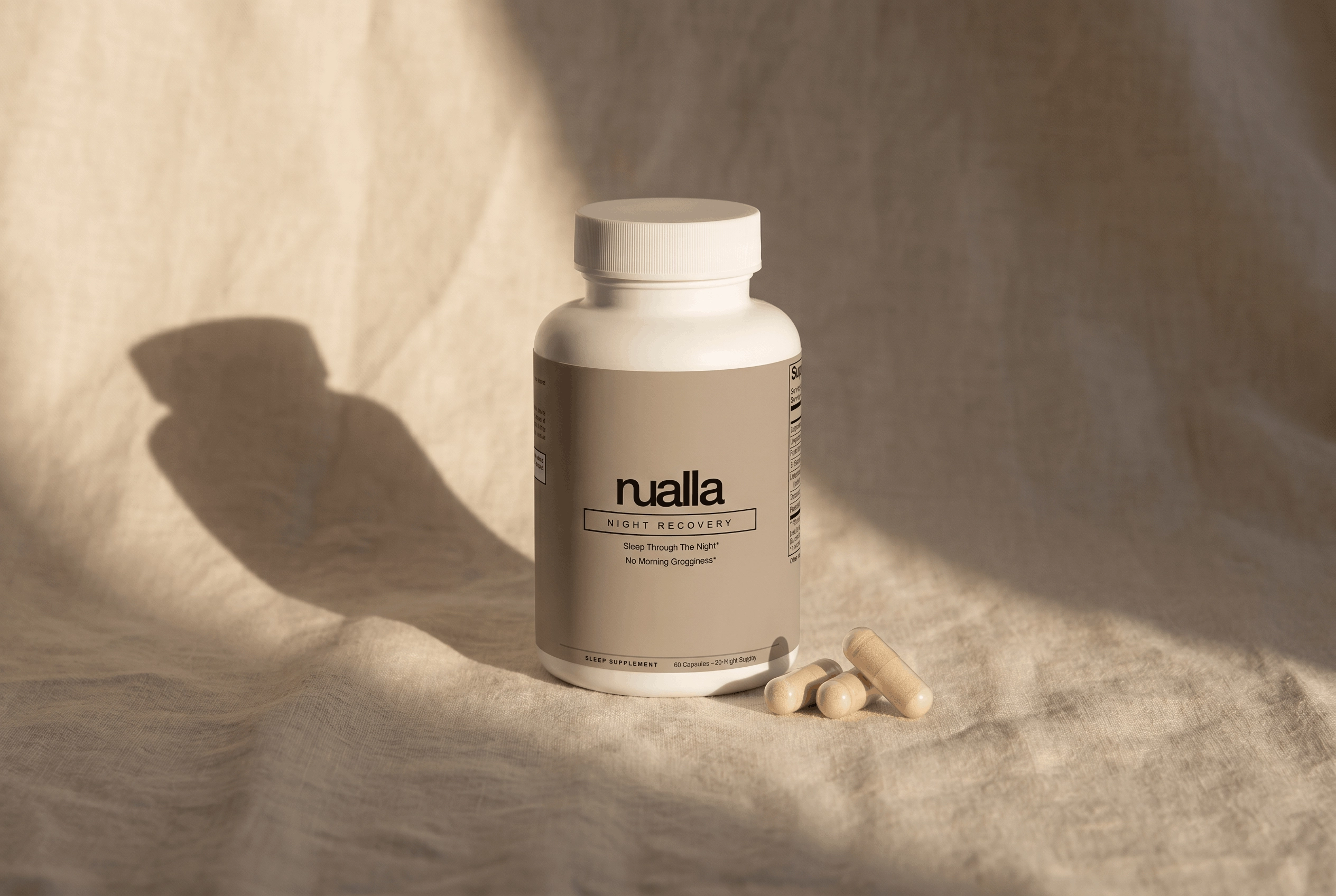
Nualla is built for the second half of the night so the rinse can finish.
This is the formula I now keep on hand for the patients the fog was stealing from.
It isn't built to knock you out. It's built to hold the calm through the second half of the night — so you stop surfacing at 3 and the rinse can finally run to the end.
Eight ingredients, chosen for what happens after you fall asleep:
GABA, L-Tryptophan (a full 500mg), and valerian — the quiet-brain group — hold the calm through the 3-to-5 a.m. stretch where you keep coming up.
Standardized ashwagandha for the early-morning cortisol rise that pulls you upright before you're ready.
Magnesium in three forms — not the single cheap one most bottles lean on.
5 mg of melatonin — the sensible dose. Just enough to signal "it's night," not the 10mg flood that adds its own fog by morning.
Two small capsules, 30 minutes before bed. Gentle on the stomach — no patch on the skin, no antihistamine hangover, no morning grog.
It supports the sleep. Your brain does the cleaning. That's the whole difference.
It isn't built to knock you out. It's built to hold the calm through the second half of the night — so you stop surfacing at 3 and the rinse can finally run to the end.
Eight ingredients, chosen for what happens after you fall asleep:
GABA, L-Tryptophan (a full 500mg), and valerian — the quiet-brain group — hold the calm through the 3-to-5 a.m. stretch where you keep coming up.
Standardized ashwagandha for the early-morning cortisol rise that pulls you upright before you're ready.
Magnesium in three forms — not the single cheap one most bottles lean on.
5 mg of melatonin — the sensible dose. Just enough to signal "it's night," not the 10mg flood that adds its own fog by morning.
Two small capsules, 30 minutes before bed. Gentle on the stomach — no patch on the skin, no antihistamine hangover, no morning grog.
It supports the sleep. Your brain does the cleaning. That's the whole difference.
Clinically-Observed Results for the Unfinished Rinse
96%
reported morning recovery like never before
3.6k+
bottles shipped
2x
more time spent in deep, restorative REM sleep cycles
0
synthetic chemicals, fillers, or artificial additives used
Based on a 12-week customer perception study and internal sleep quality data.


Nualla Sleep Recovery
$40.46

Wake Up Before Your Alarm With Total Cognitive Clarity
See why thousands of have ditched melatonin and coffee for a sustainable, science-backed sleep recovery protocol.
FAQ'S
Find answers to the most common questions about quieting your mind through the night and reclaiming your mornings.
How is this different from typical melatonin products I've already tried?
Most melatonin products are built for falling asleep — they peak around 90 minutes and metabolize out by 2 AM. Nualla is built for the second half of the night. Six of our six chemical pathways work specifically in the 2–6 AM window, not just at bedtime. The Eight stay-asleep botanical ingredients are a architecture, not a hero ingredient.
Will it make me groggy in the morning?
It's designed not to. Our therapeutic dose of melatonin plus the botanical maintenance ingredients are chosen by half-life specifically to clear before your alarm goes off. Customer reviews on the reformulated 8-ingredient version repeatedly mention "wake up clear-headed" — confirmed across multiple reviews on file.
Is it habit-forming? Will I become dependent?
No. Nualla uses no pharmaceutical sleep agents — no diphenhydramine, no doxylamine, no Z-drugs. The eight ingredients are botanicals, minerals, amino acids, and the therapeutic-dose melatonin. None of them are receptor agonists that produce dependence.
Is Nualla safe to take every night?
Absolutely. Nualla is non-habit forming and free from harsh sedatives. It is designed to support your body's natural recovery processes, making it a sustainable choice for long-term sleep health and cognitive protection.
How long until I see results?
Most people notice the first morning. The fuller benefit — fewer wake-ups, deeper second-half sleep, and the new daytime calm benefit — typically sets in over 7-14 nights as your nervous system adapts. Customer reviews confirm this pattern.
How do I take it for the best results?
As a dietary supplement, adults should take two (2) capsules daily. For best results, take them with 6-8 oz of water about 30–60 minutes before bed. This allows the botanicals to begin quieting your system just as you are ready to put your head on the pillow.
Can I take it with magnesium / my current sleep stack / etc.?
Most people can stack Nualla with their existing routine. We recommend removing other melatonin sources so you're not stacking signal doses unnecessarily. Always check with your doctor if you're on prescription medication (especially blood thinners or beta-blockers — there's published interaction literature on melatonin + anticoagulants).
Are there any safety warnings I should know?
Nualla is crafted in the USA with natural ingredients. However, you should not exceed the recommended dose. Pregnant or nursing mothers, children under 18, and individuals with known medical conditions should always consult a physician before use. Do not drive or operate machinery immediately after taking.